Ecosia. Supporting Ecosia's expansion into the AI space, we designed a growth framework and a subscription model while raising the craft bar and updating the brand.
One of our main projects was to research and release an AI subscription model to create a new revenue stream. Tests in Europe showed people would pay €7+ a month instead of the planned €5, for more impact, not as a donation. In beta, users with 3+ AI sessions a week stayed, so that became our activation goal. Now live in the US, aiming for €1.5M MRR in Q1 2027.
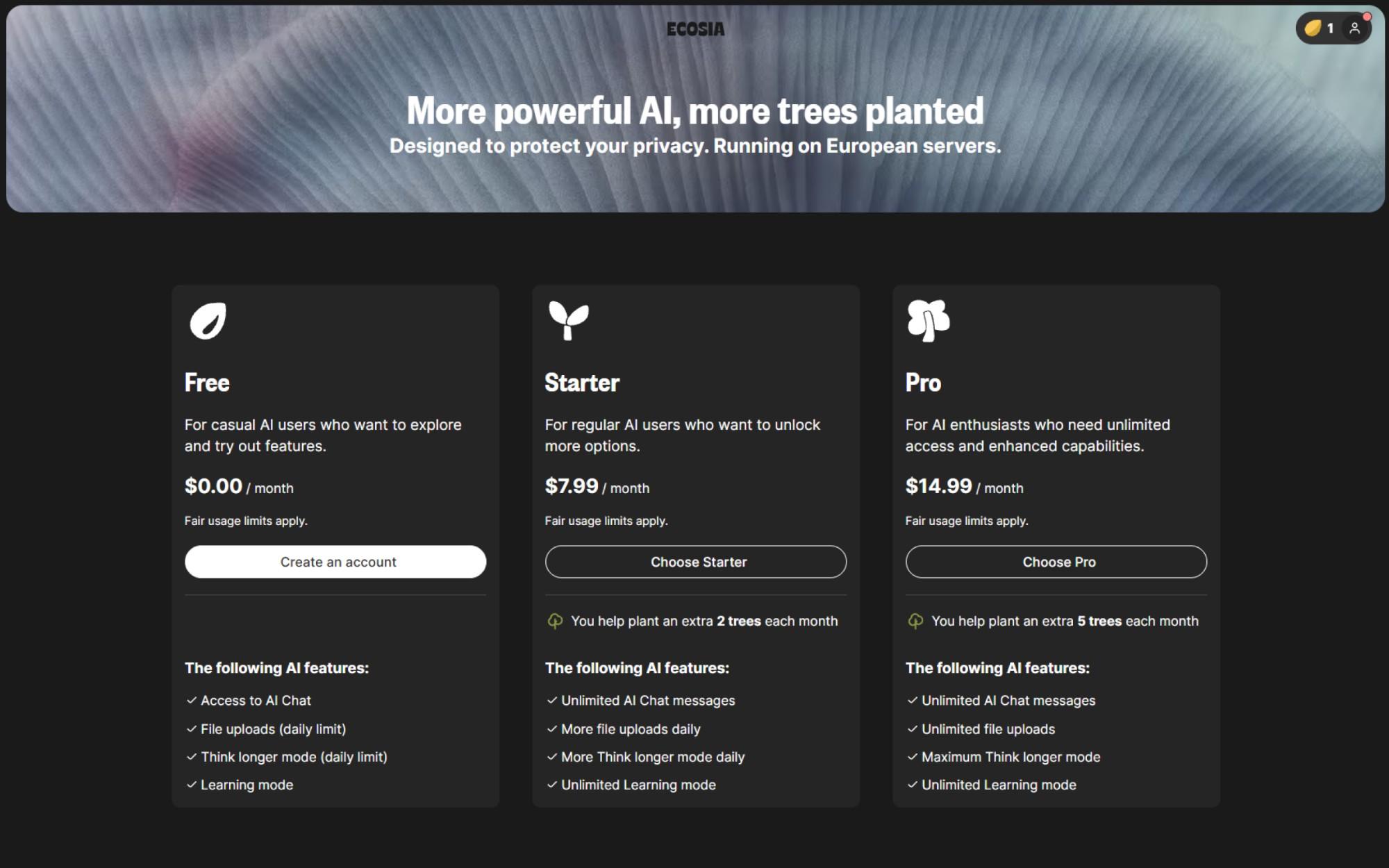
The full tier list, live in the US, with prices adapted to the American market. Research also showed an audience for a more intensive use of AI, ready to pay for unlimited access and enhanced capabilities. It became a new user archetype in our ICP, the AI enthusiast: often not yet an Ecosia user, relying on AI for work and personal life alike. The Pro tier is built for them.
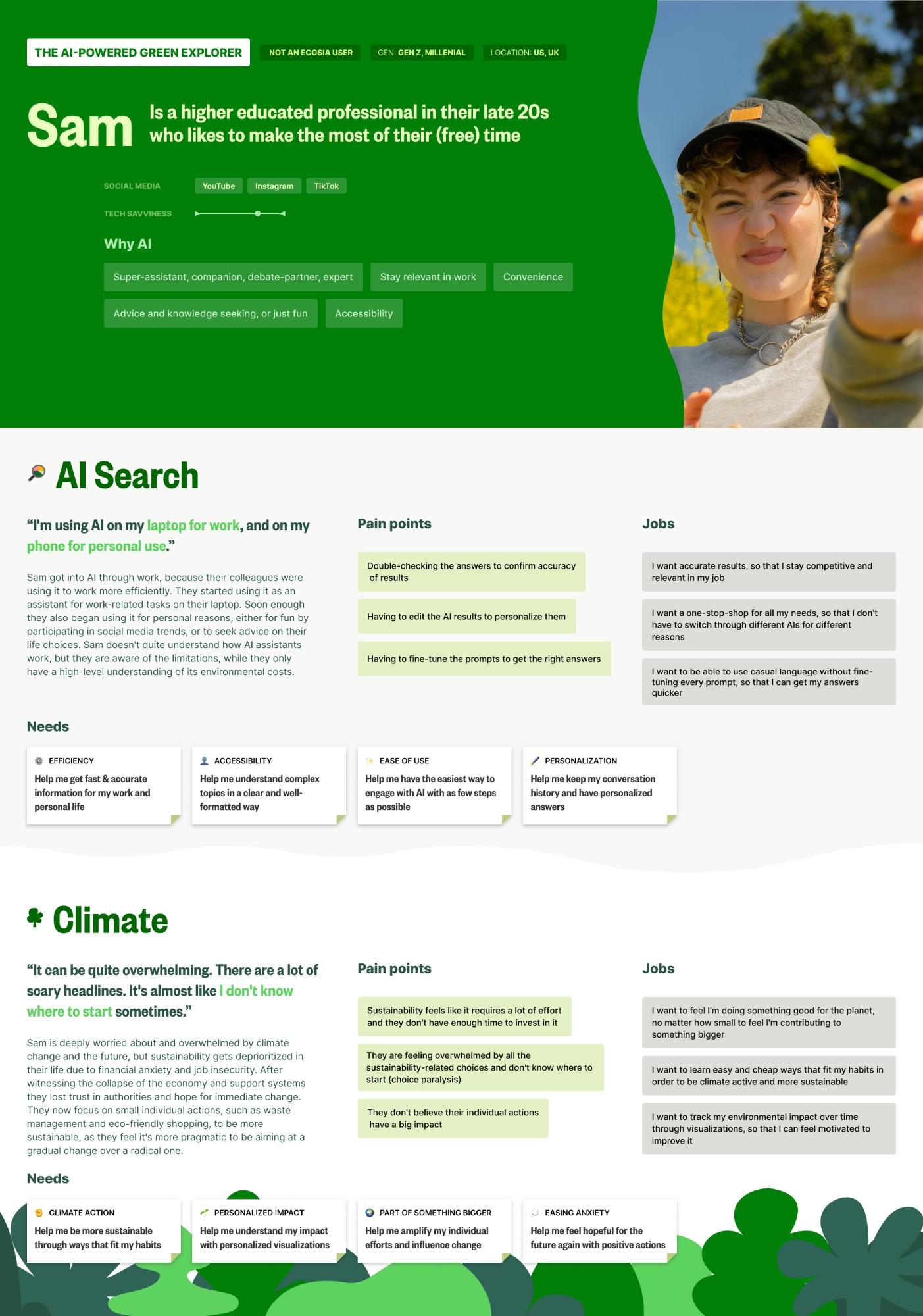
Ecosia's user archetypes were search oriented: people who historically came to Ecosia to improve their impact on the environment. The AI enthusiast was still nascent, so I coached our researcher to investigate further, and to turn the findings into actionable insights for C-levels and the product organization.
The first insight: our historical users didn't understand the benefits of Ecosia venturing into AI. The brand needed to evolve to make them clear.
The second insight: the CEO's enthusiasm for AI needed to be tamed, as our users would respond better to AI being optional. Making AI optional was the key insight that unlocked massive growth, as people looked for an alternative to Google in spring 2026.
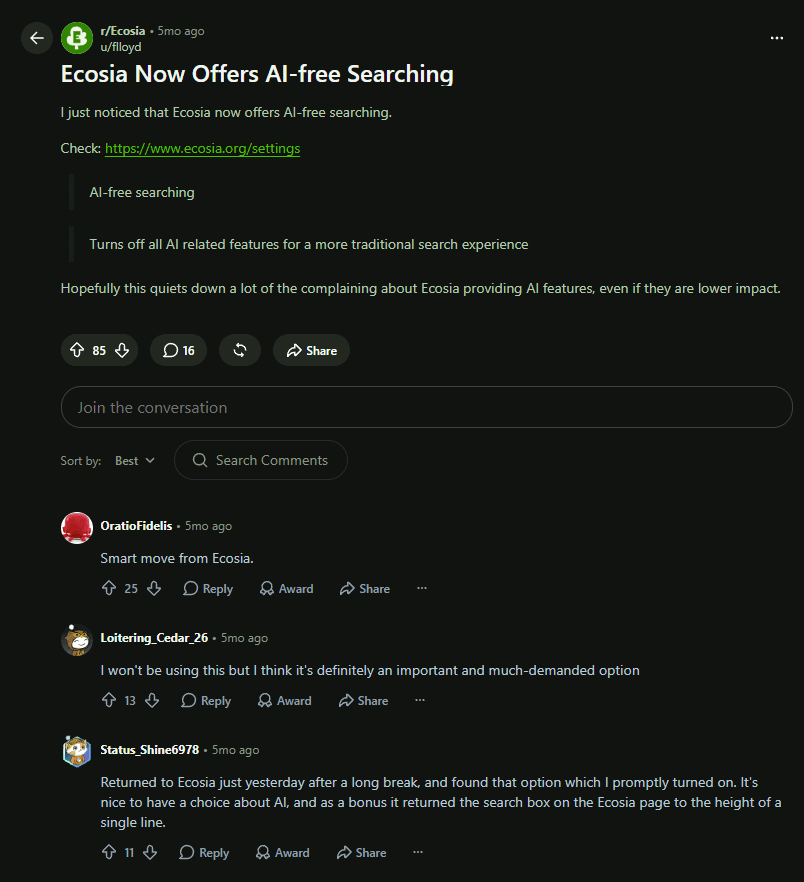
Users noticed, and said so: on Reddit, the move drew praise, including from people returning to Ecosia after a long break.
The structure I moved toward for a product org organised around critical user journeys: I kept hands-on oversight of the AI domain, and a design manager, developed from within the team, led search and growth as my only direct report there. Product design only; brand is intentionally left out.
To build that layer, I grew two leads and started developing a manager.
Staff Product Designer: promoted from senior. Started design’s first owned R&D track of 0 to 1 projects, including the agentic browsing program shown in this case study. Raised AI fluency beyond the design team, exploring rules and guidelines for PMs to handle low-level design tasks with AI.
Lead UXR: promoted into a role reporting research recommendations directly to the exec team.
Manager in development: a senior designer already supporting the team on strategic questions and unblocking business-heavy work, such as testing subscription tiers. That org change was abandoned as the company went into Founder Mode.
I kept hiring, headcount and budget, design strategy, the CEO partnership and performance decisions.
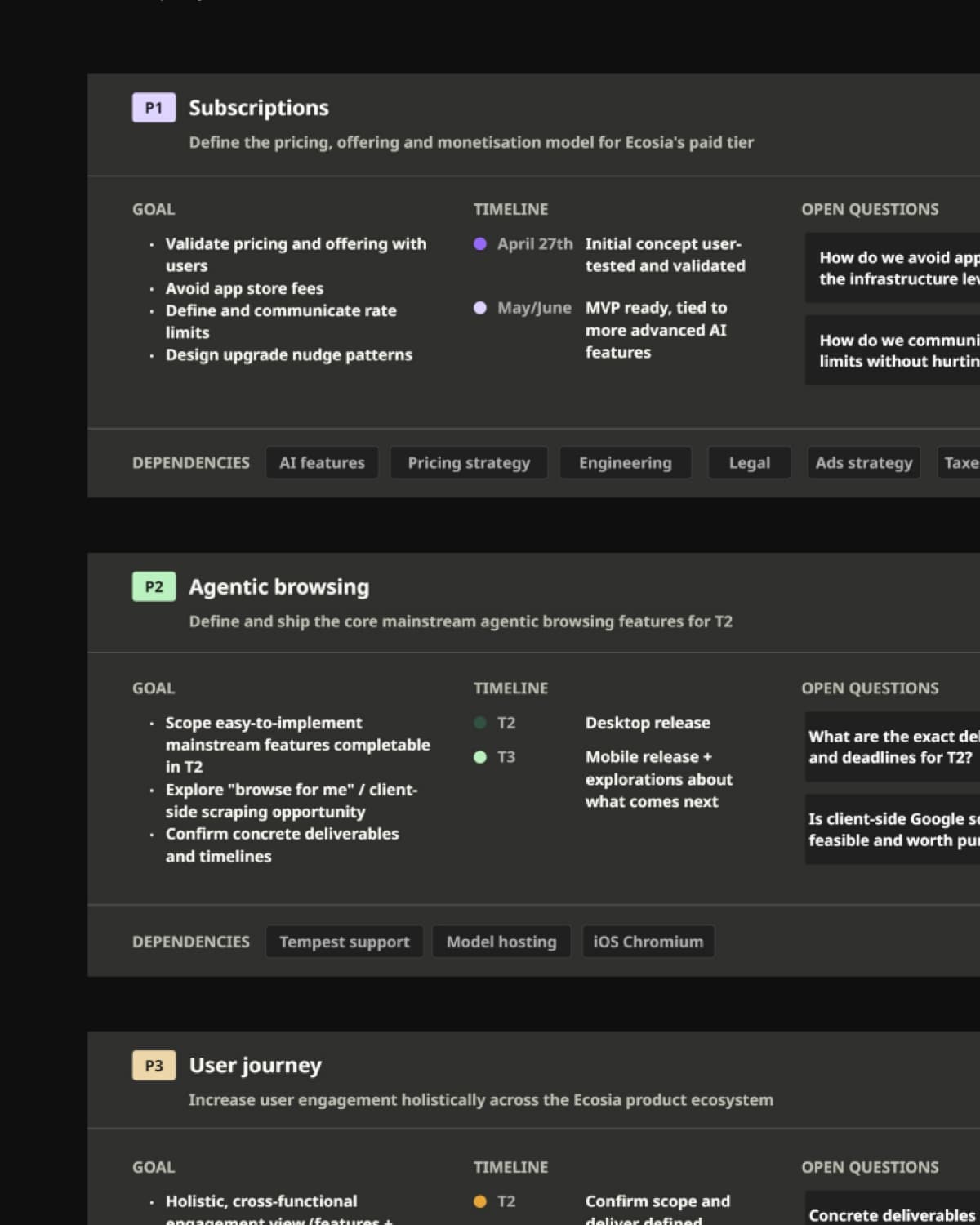
How I structured design strategy for each 'treemester', using clear pillars and measurable outcomes, each owned by a different leader.
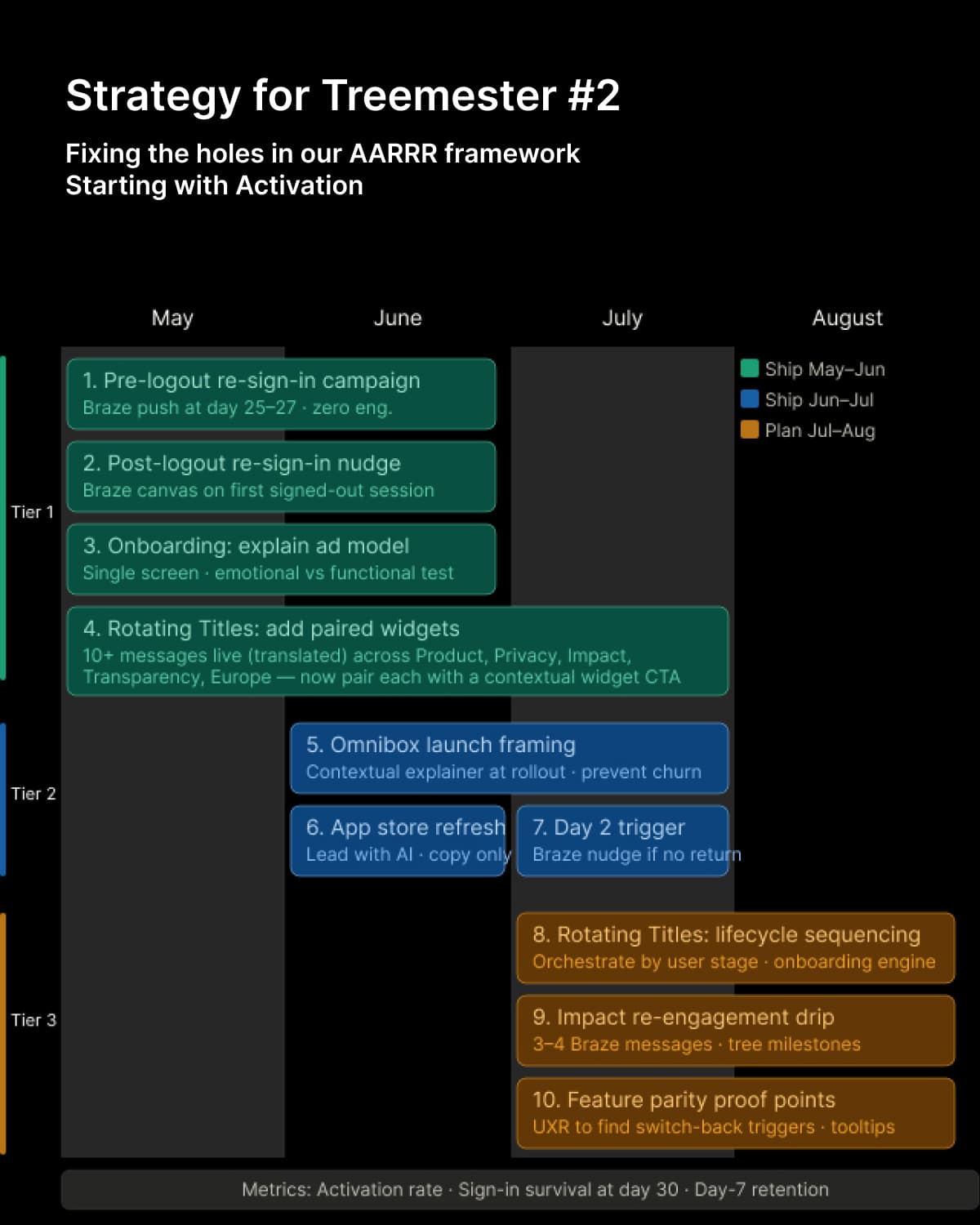
Activation funnel leaks we identified and patched, thanks to our AARRR framework. I guided the work of product managers as we progressively implemented the framework and stress-tested it.
Design-owned Agentic AI exploration, which the CEO and COO approved for investment.
How I updated our competency model to adapt to the AI era, empowering designers to behave like in-house entrepreneurs.
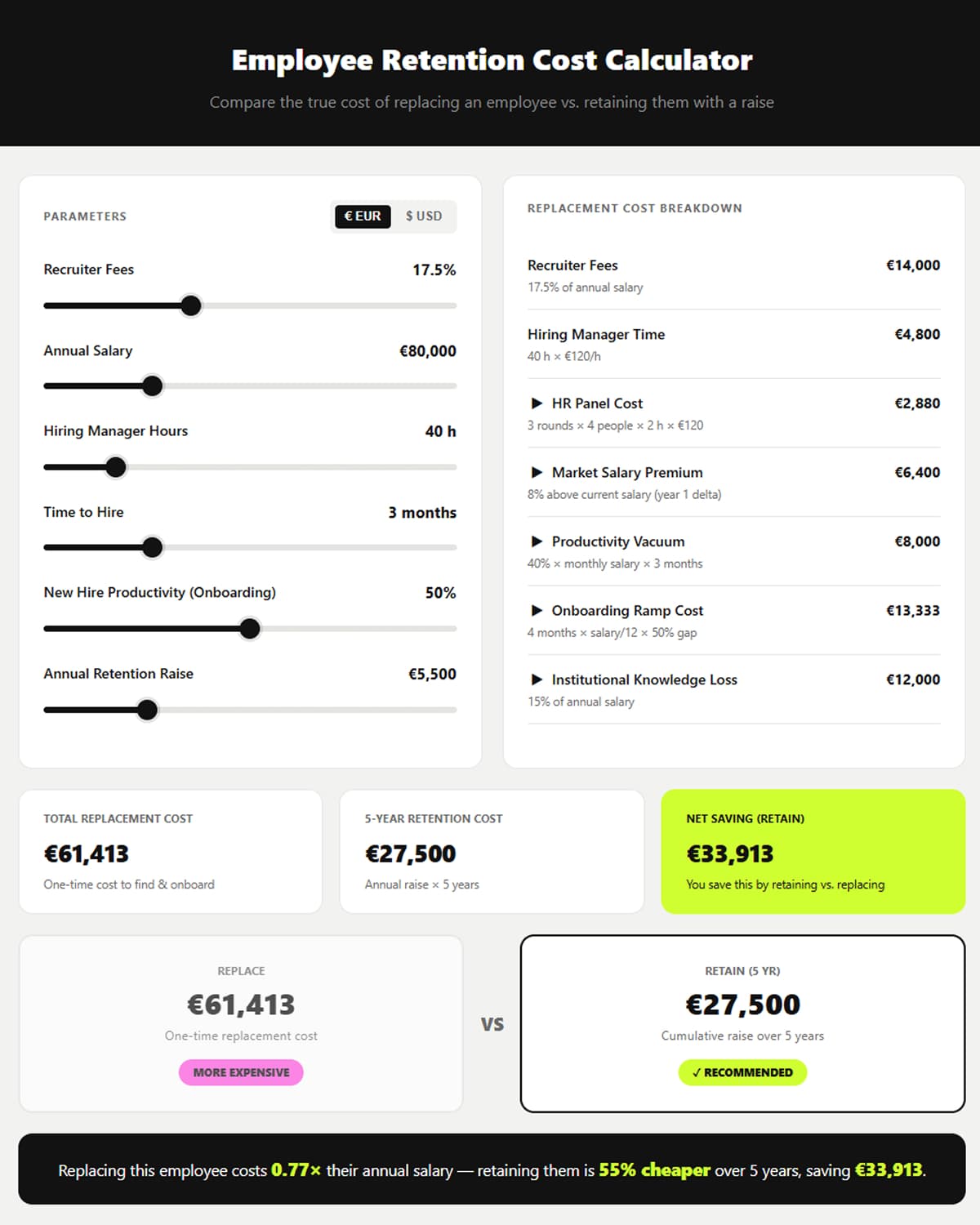
The calculator that showed C-levels & people leads promoting can cost less than rehiring. Part of my efforts to make our company-wide career matrix more flexible and create a staff/lead level.
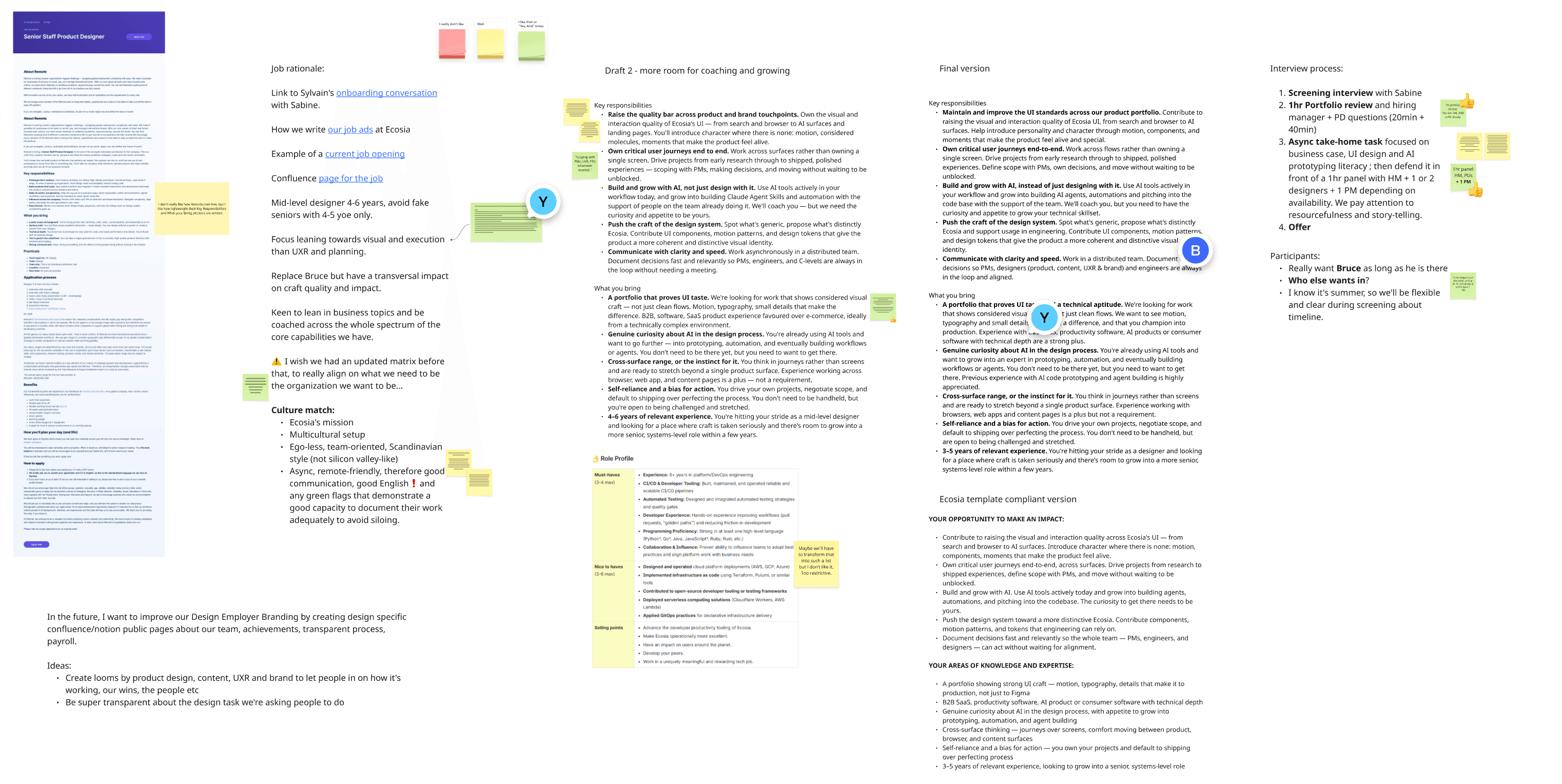
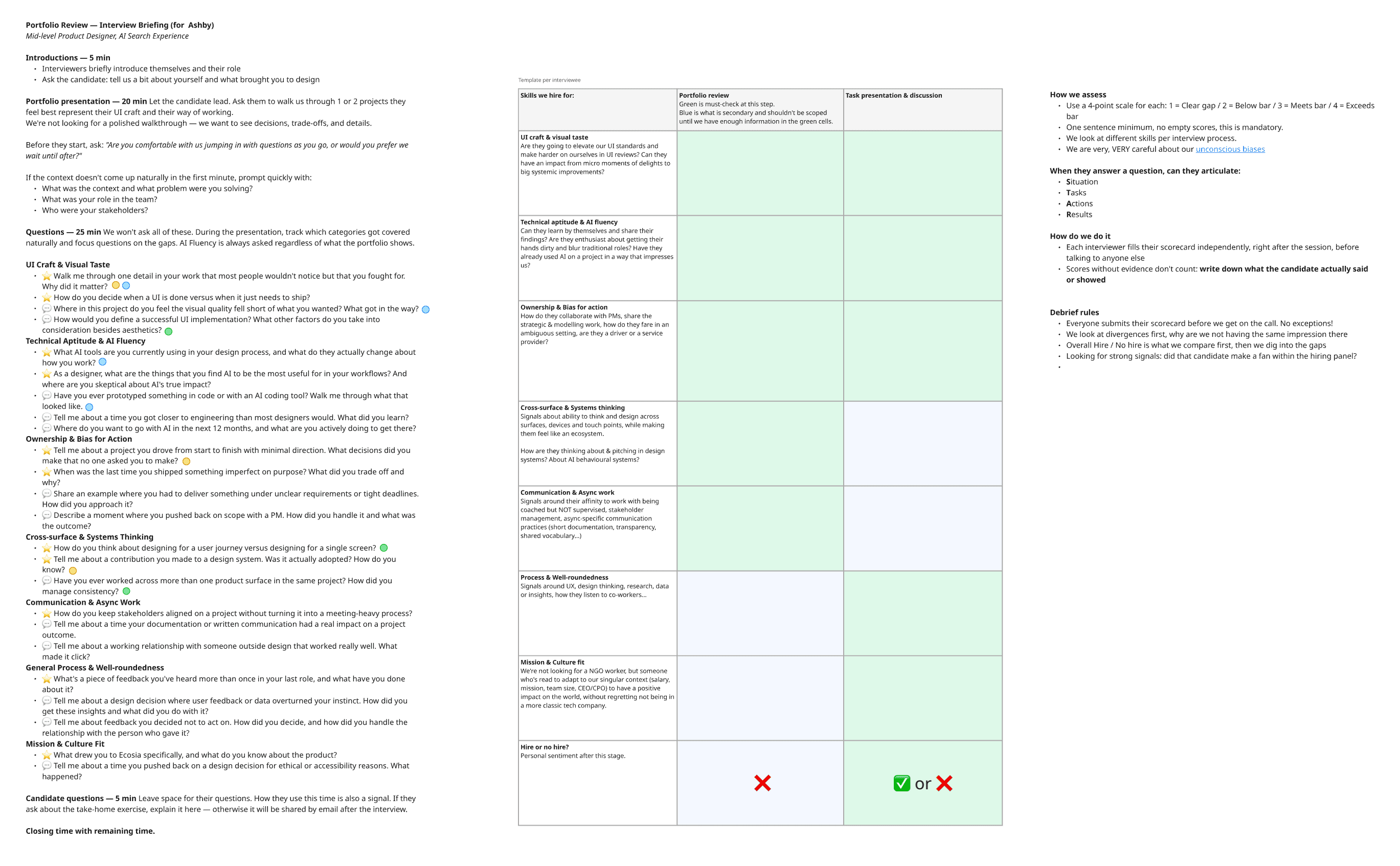
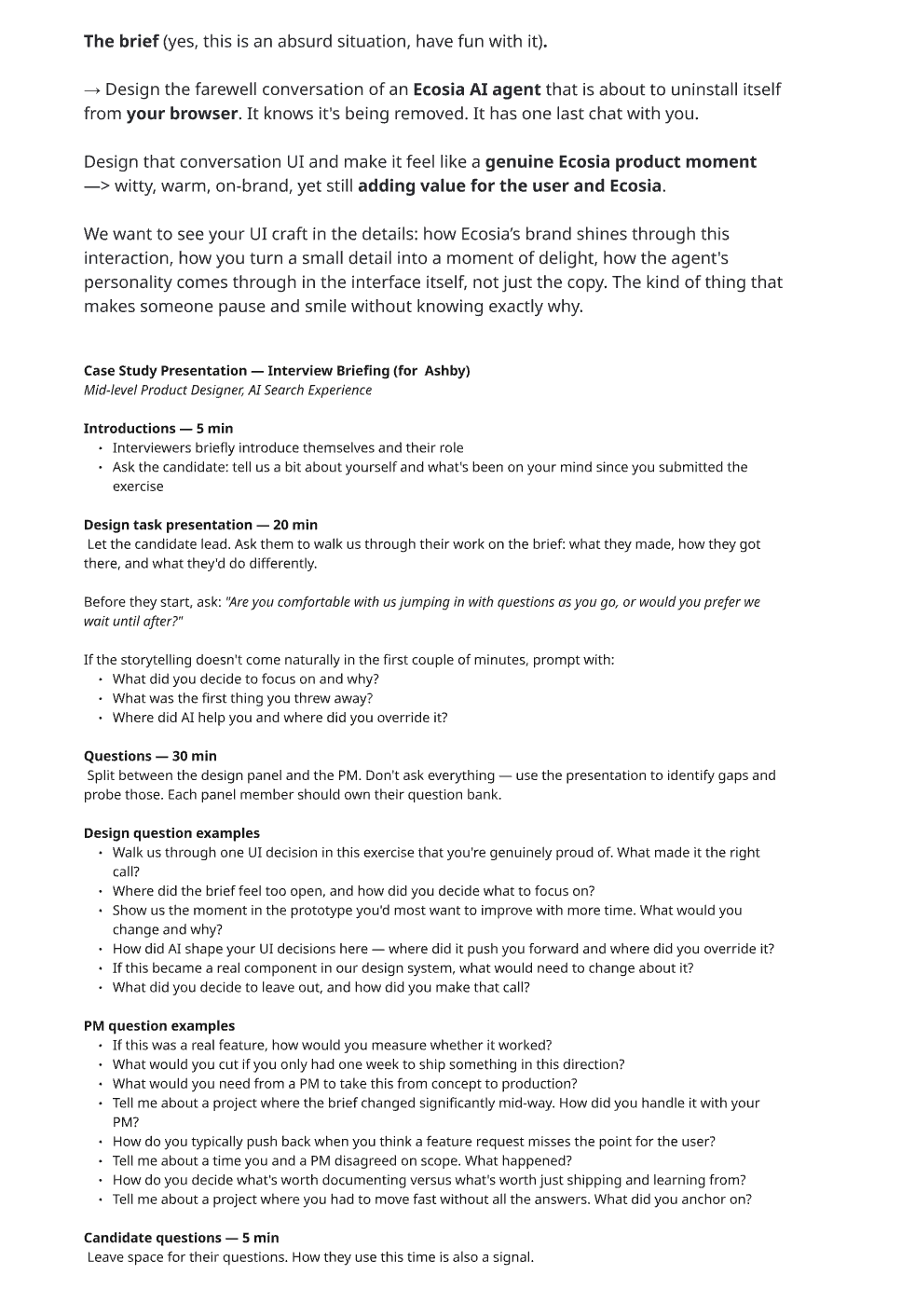
We had to hire before we could fully update our org charter and competency framework. So we aligned on why we needed the role before writing the job description, then crafted new scorecards and an original take-home design task meant to spark a conversation. Each with an interview guide. I believe in hiring fast, and hiring for potential.
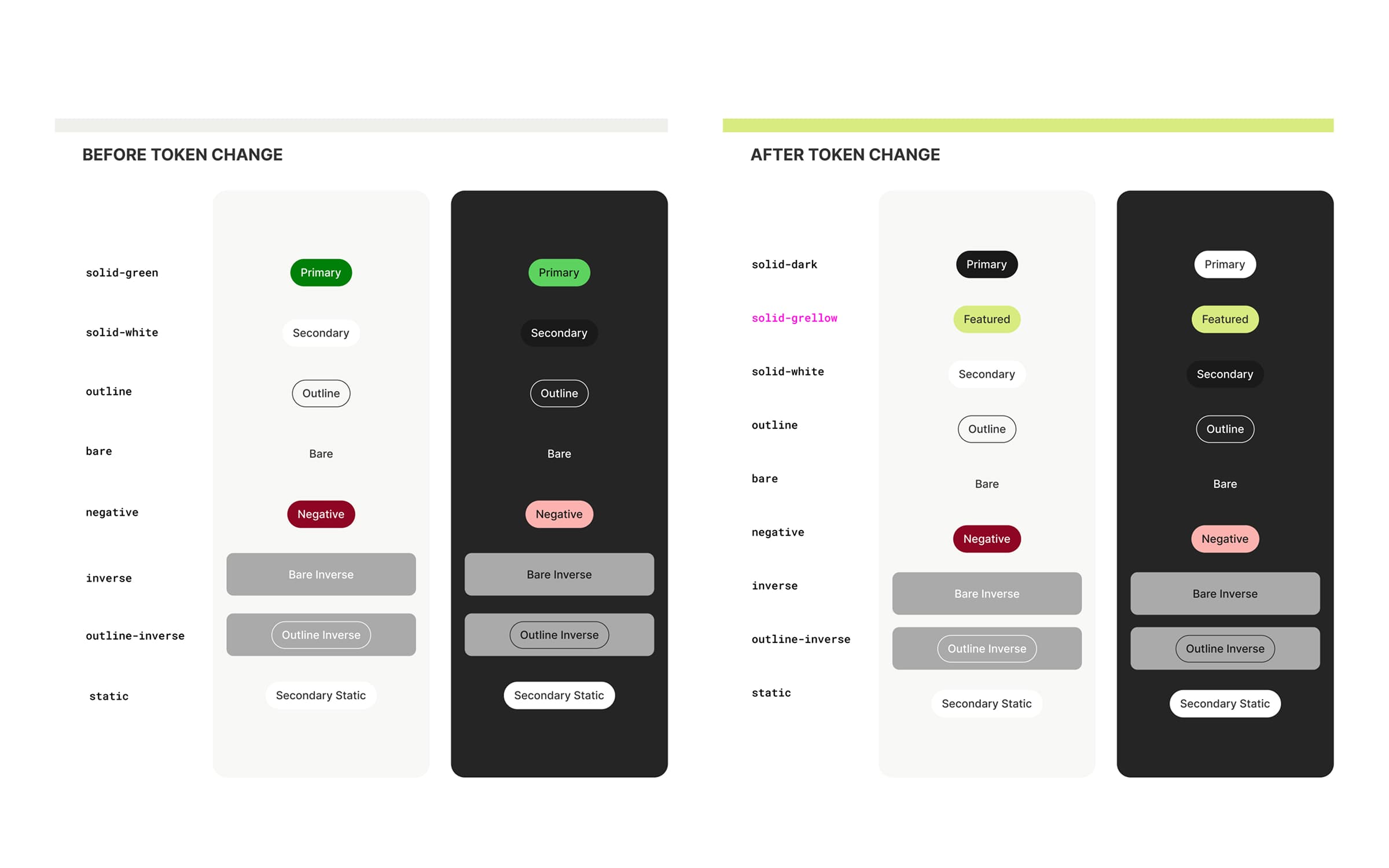
While completing a brand refresh initiated before I joined, we updated our semantic tokens, as we moved towards an agentic design system.
As part of our efforts to improve the product experience, we introduced a more modern visual identity for our imagery and brand assets.
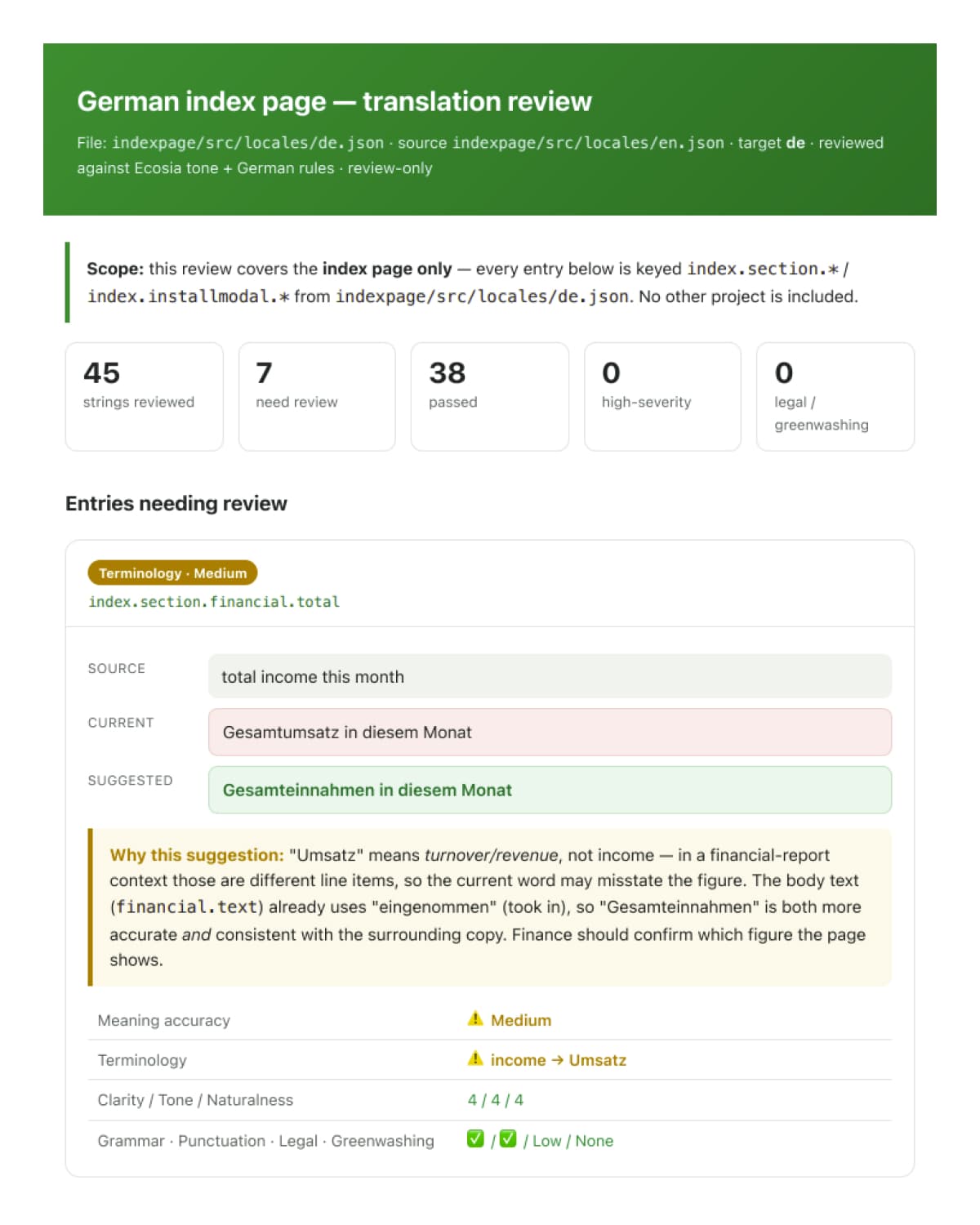
I coached the team to build AI agents that make our insights accessible and actionable, or that cut content prep time, such as this copywriting/translation checker agent.
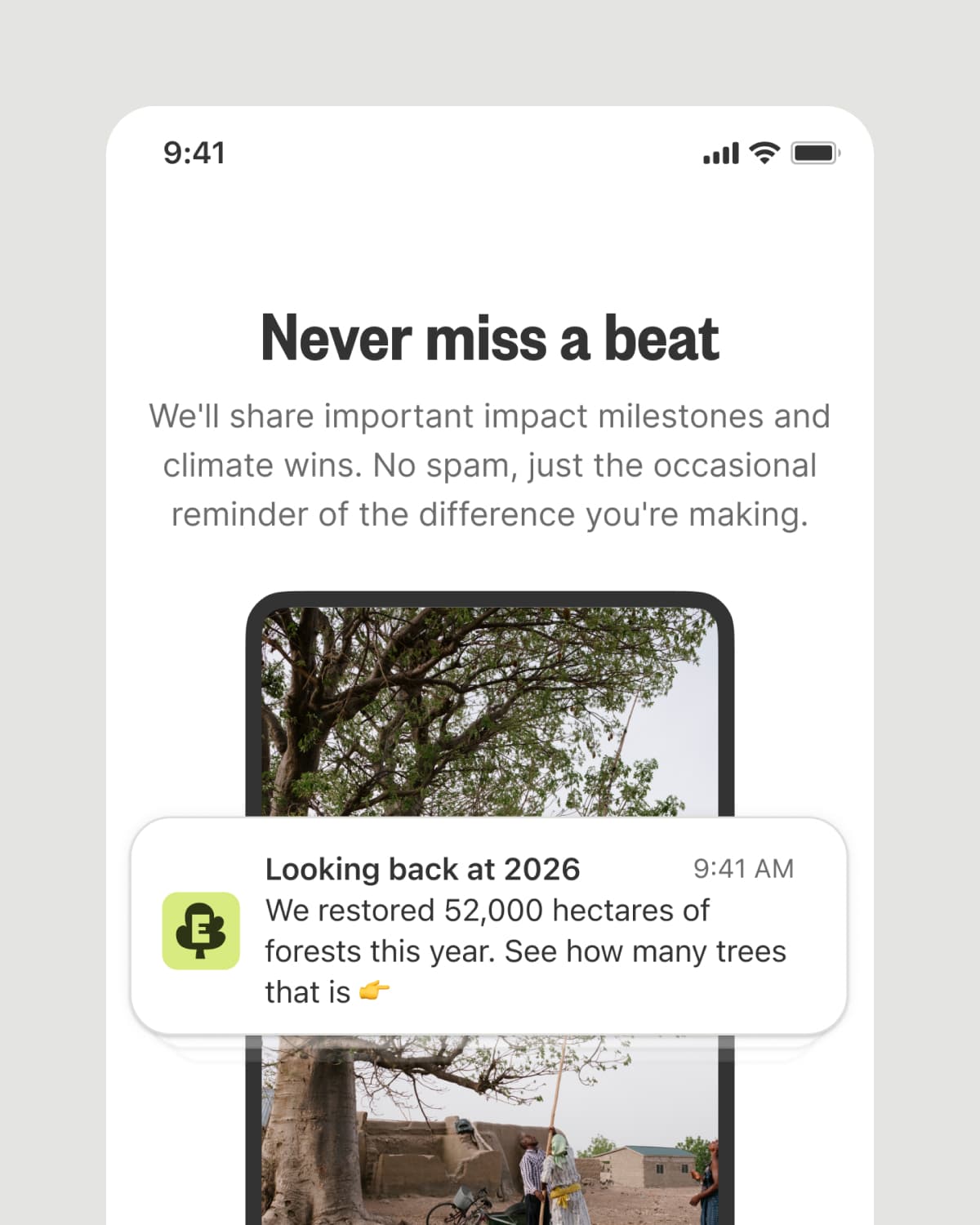
Self-onboarding that introduces users to Ecosia as an ecosystem and opens the door to better lifecycle comms.